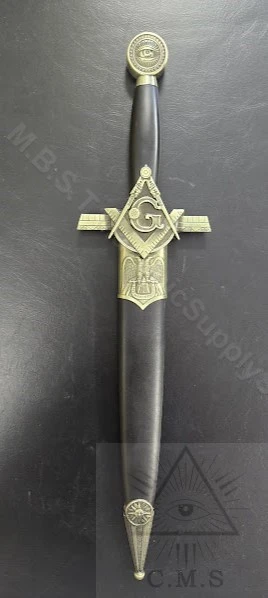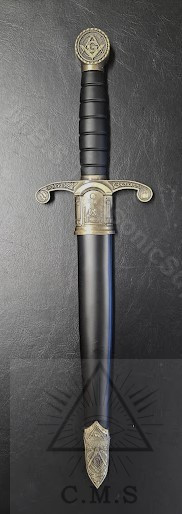
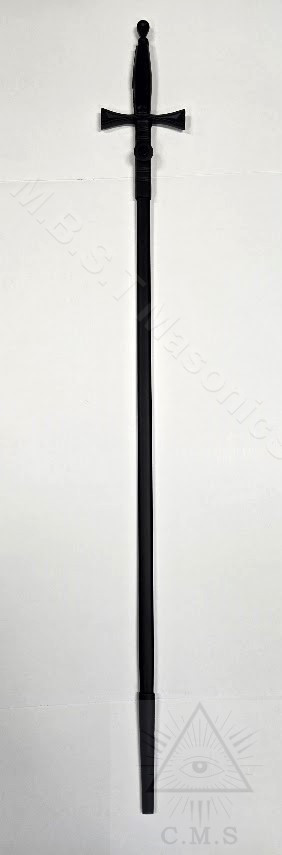
A ceremonial sword doesn't see battle, but it does see hands, humidity and the inside of a car trunk. Handled well, it stays bright for generations.
After every use
- Wipe the blade. Fingerprints carry salts and oils that cause rust and tarnish. Wipe the blade from hilt to tip with a soft, dry cloth after each meeting.
- Check for moisture. If the sword has been out in rain or snow at a parade or funeral, dry it thoroughly before putting it back in the scabbard.
- Never put a wet sword away. Moisture trapped in the scabbard will rust the blade.
Protecting the blade
- Apply a very thin coat of light oil or a product made for blades now and then, especially before storage. Wipe off the excess.
- Avoid abrasive polishes on etched or gilt areas. They wear the decoration away.
- Treat light spots of rust early with a soft cloth and a little oil. Deep rust needs a specialist.
The hilt and grip
Grips may be wrapped in wire, leather or a synthetic material. Keep them dry and clean. Wire-wrapped grips can loosen. If the wire lifts, have it secured before it unravels.
The scabbard
- Metal scabbards can be wiped and lightly polished. Check the throat and the tip, where dents happen most.
- Leather-covered scabbards benefit from an occasional leather conditioner.
- Check the fittings that attach the scabbard to the belt. They take the strain and wear first.
Storing your sword
Canadian homes can swing from very dry winter air to humid summers. Both can affect leather and metal.
- Store the sword in a room with stable temperature and humidity, not a garage, basement or attic.
- Store the sword out of its scabbard, or partly drawn, for long periods. This lets air circulate and stops moisture being trapped against the blade.
- A wall mount or a lined case keeps it out of harm's way.
Transporting it
Use a padded case or sword bag for travel, and lay it flat in the car. Keep it in its case until you arrive at the Preceptory.
Signs a sword needs attention
Look for pitting on the blade, a hilt that moves in your hand, a scabbard that rattles or a grip whose wire is lifting. Each is easy to fix early and expensive to fix late. A regalia supplier or a local sword specialist can advise.
Passing a sword on
Many Templar swords pass to a son, grandson or a new Knight in the Preceptory. Clean and oil the sword before handing it on, and include a note of its history.
For a new sword, scabbard or belt, see the Canadian Masonic Supply Shop.